
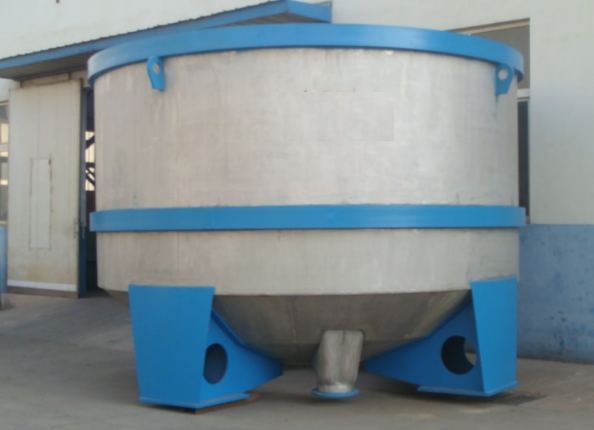
Hydrapulper — D-Type and Batch Pulpers
A hydrapulper breaks dry or wet paper stock into a pumpable suspension. D-type units place the rotor off-centre in a D-shaped vat, creating a longer circulation path and stronger vortex — which shortens cycle time on wet-strength and heavily printed waste.
Built to drawing or sample · Export packed · Ships from Qingdao
Overview
The Hydrapulper is designed for rapid and thorough disintegration of paper stock. Available in both standard and D-type configurations, it handles capacity from 5 to 120 tons per day. The D-type design features an eccentric rotor placement that creates intense turbulence for faster pulping with lower energy consumption.
Construction and features
- High-efficiency pulping with D-type rotor design
- Capacity range: 5-120 tons/day
- Low energy consumption
- Easy maintenance and operation
- Available in batch and continuous types
Where it is used
Specifications
| Type | Batch / D-type continuous |
|---|---|
| Capacity (D-type) | up to 600 t/d |
| Treating consistency | 2 - 5% |
| Furnish | waste paper, virgin pulp board |
Send an enquiry
Hydrapulper / D-type Hydrapulper — common questions
What is the difference between a D-type and a standard batch hydrapulper?
A standard batch pulper has a centred rotor under a round vat. A D-type moves the rotor to one side of a D-shaped vat, so stock travels a longer path with higher turbulence. That cuts pulping time and handles wet-strength or heavily inked waste better, but takes more floor space.
How do I size a hydrapulper for my mill?
Size to peak daily furnish, not the average. A common starting point is one batch per hour with 15-20% headroom, then extend the cycle rather than oversize the vat if your waste includes wet-strength grades.
Related equipment
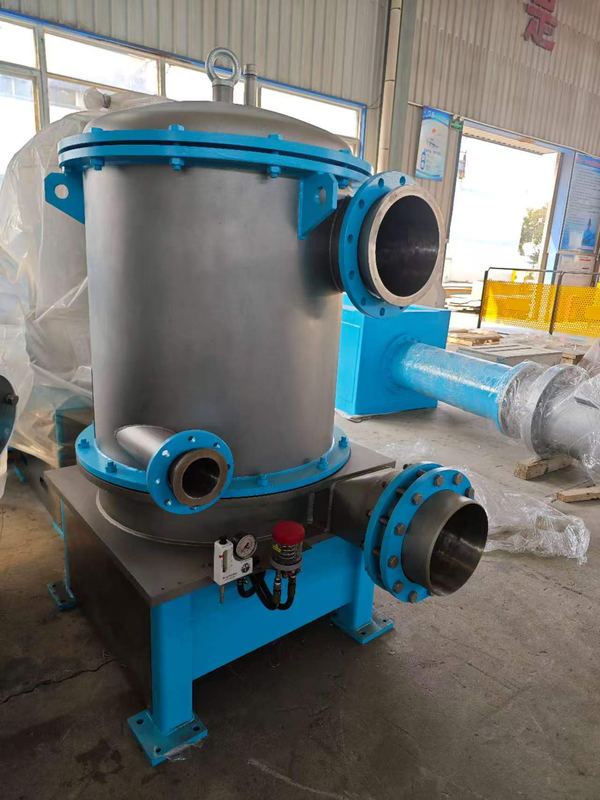
Pressure Screen
Precision screening for pulp contaminants removal.
View details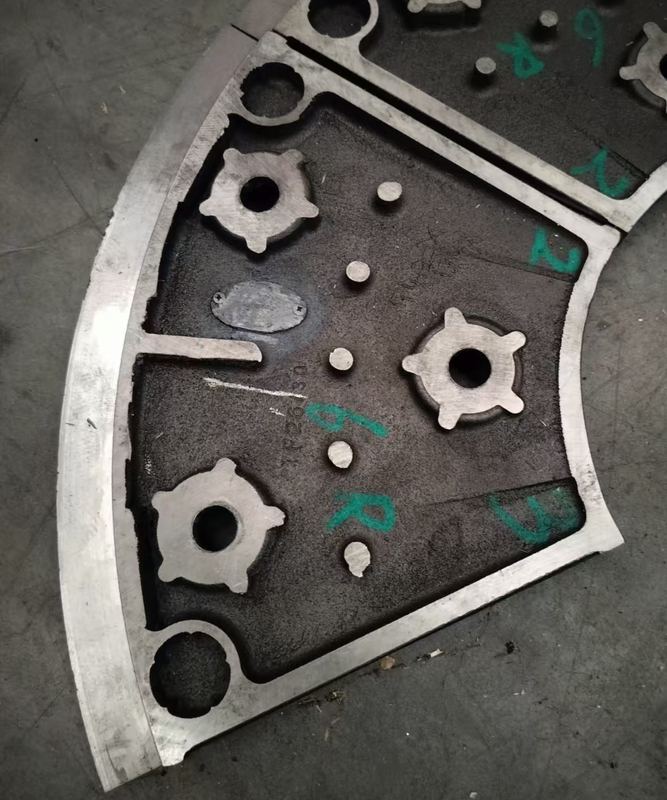
Refiner Disc
High-performance refiner discs for fiber treatment.
View detailsVibrating Screen
High-frequency vibrating screen for efficient pulp screening.
View detailsSend us your specification
Drawing, capacity, or just the problem you are trying to solve — we quote from that, not from a catalogue.